
Invest in Congolese mining services
Finance subcontractors who already hold contracts, without owning a mining permit.
Why the DRC, why services
The Democratic Republic of Congo is the world’s leading cobalt producer and one of the largest copper producers. Both metals are central to the energy transition.
Around every mine, a chain of subcontractors handles earthworks, hauling, transport and maintenance. Investing at this level means financing activity backed by identified contracts.
- ≈ 70%
- of the world’s cobalt supply comes from the DRC
- 3.4 Mt
- of copper produced in 2025: world No. 2, behind Chile
- 51%
- Congolese capital required of subcontractors (2017 law)
Sources: USGS via Afrik.com (2026), Fastmarkets / Reuters (2025-2026), Law No. 17/001 of 8 February 2017.
The value chain
Where does the DRC stand today?
We produce for the world, but we still process too little. Every stage carried out on our soil means more value captured, more skilled jobs and more revenue for the State.
Extraction
Industrial and artisanal mines
Mastered
Concentration
Concentrates, cobalt hydroxide
Mastered
Refining
Copper cathodes, pilot gold bars
Partial
Intermediates
Sulfates, precursors, copper wire
Weak
Manufacturing
Cables, cells, jewelry, components
Almost absent
The ore is Congolese. The value should be too.
A plant backed by Congolese entrepreneurs and financiers is bankable, provided the energy and supply risks are covered.
Our approach
- Mining titles secured with the Mining Registry
- A plant project led by Congolese entrepreneurs and financiers
- Real partnerships: capital, technology transfer, qualified subcontracting
- Traceability aligned with international standards
Three ways to take part
Equipment mobilization
- What is financed
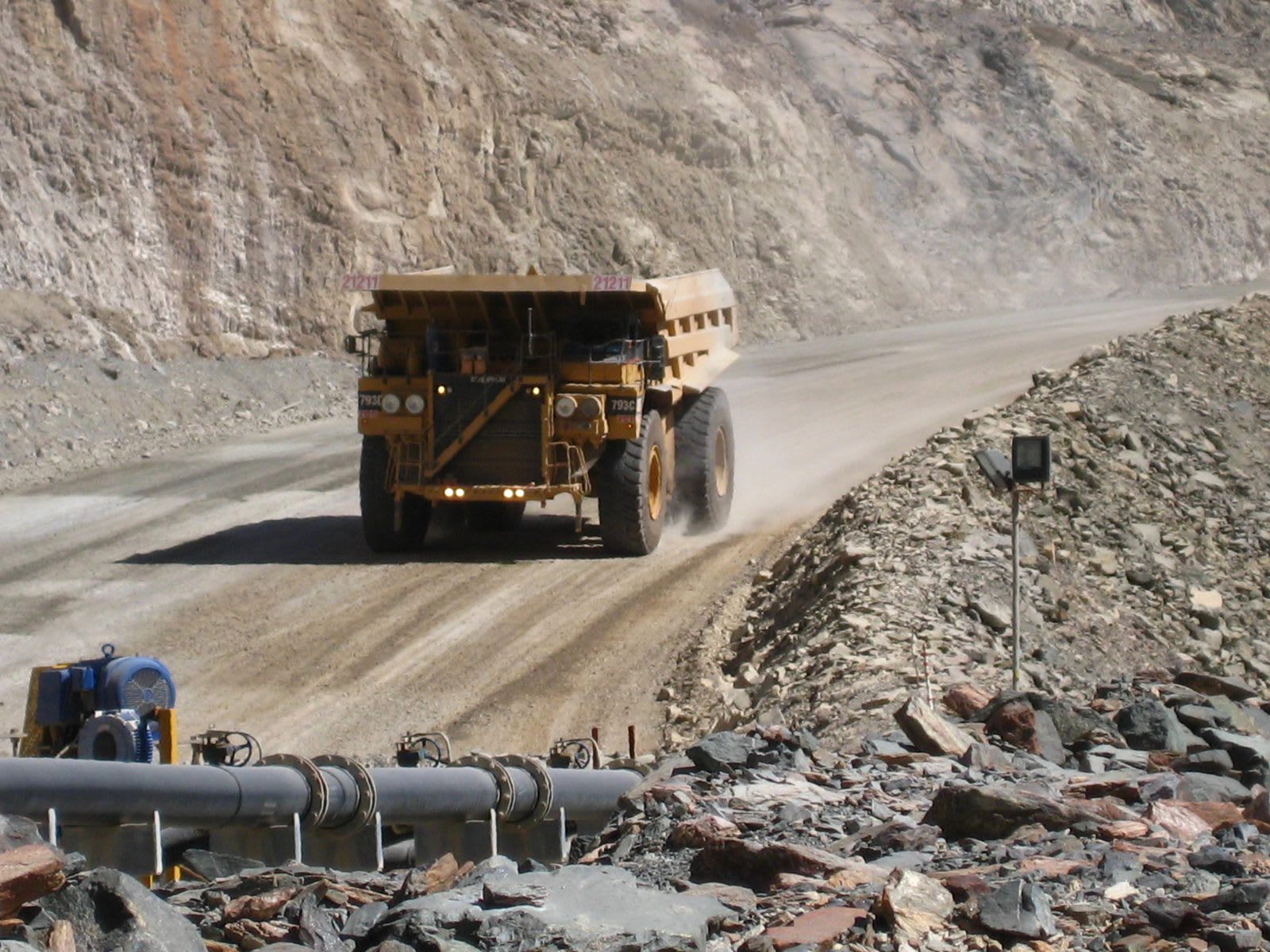
- Trucks, earthmoving machines and gear needed to start a contract.
- How it works
- Equipment is bought or leased for the site. Repayment and returns come from contract revenue, on the schedule set in the agreement.
- Watch points
- Machine availability and maintenance, resale value, delivery logistics.
Working capital
- What is financed
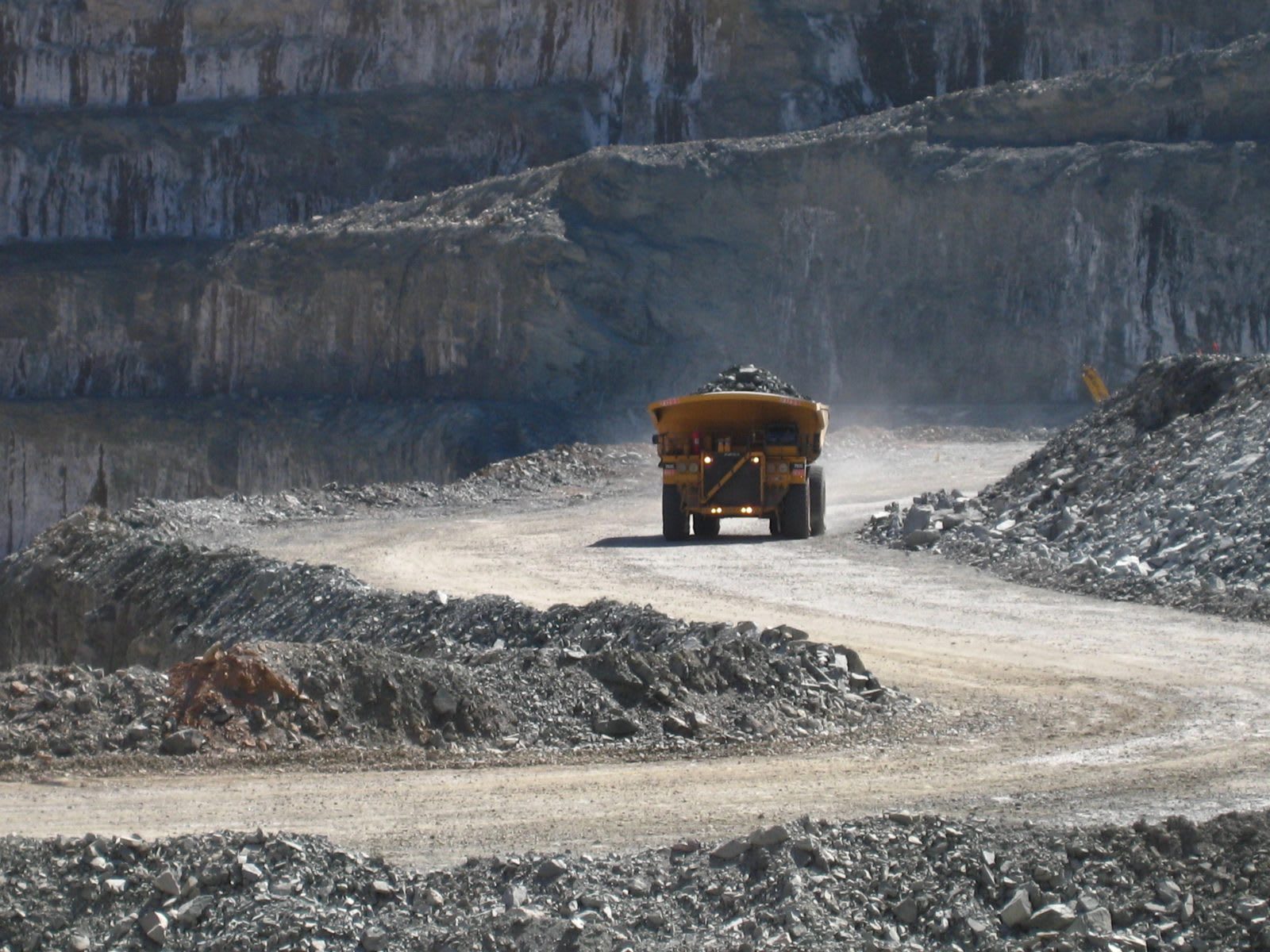
- Wages, fuel, parts and maintenance between doing the work and getting invoices paid.
- How it works
- An advance covers the cash gap and is repaid as the client settles invoices.
- Watch points
- Client payment delays, reliance on a single client.
Contract execution
- What is financed
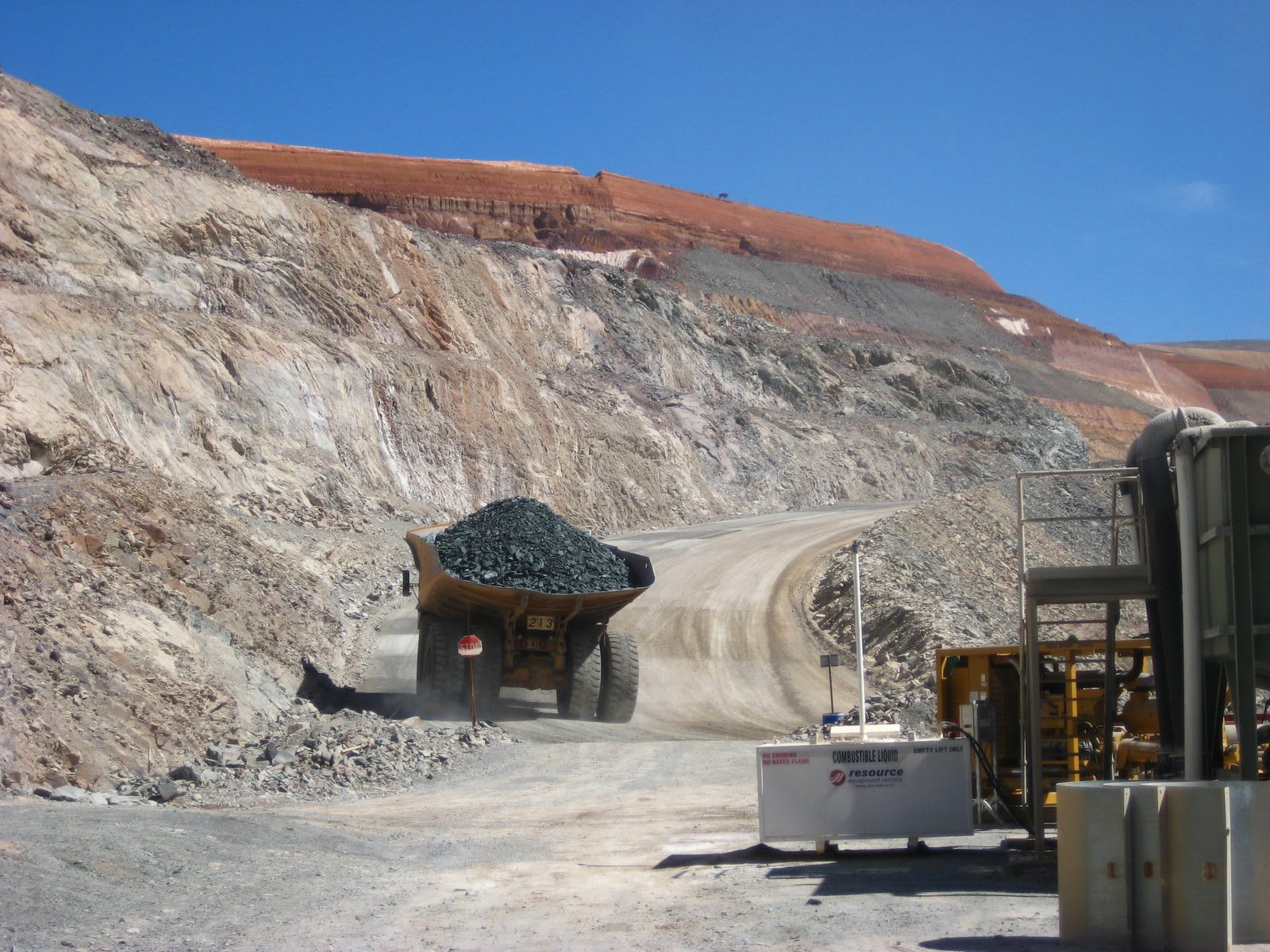
- Overall financing of a contract already won by a local company.
- How it works
- Investor and operator share contract revenue according to a key set in the agreement, after agreed costs are covered.
- Watch points
- Operating performance, contract amendments or termination, site security.
Who we work with
Private investors
Experienced individuals seeking tangible exposure to African mining.
Family offices
Wealth structures looking for real assets and close follow-up.
Strategic partners
Equipment suppliers, industrial groups and service providers growing in the DRC.
Our approach
Four steps, from the field to a signed agreement. Each one produces a concrete deliverable for the investor.
Identify
Through our network, we find Congolese subcontractors who already hold a contract or firm order from a mining company and have a specific capital need to deliver it.
What we examine
- Company registered in the DRC and compliant with subcontracting regulations
- Signed contract or purchase order from an identified client
- Demonstrable operating experience
- Quantified, justified financing need
What you receive
An opportunity sheet: the company, the contract, the need and the timeline.
Verify
Preliminary due diligence confirms what is claimed and puts the risks on the table before any financial discussion.
What we examine
- Legal: trade register (RCCM), national ID, tax number, sector registrations
- Contract: client, duration, rates, payment terms and delays
- Operations: equipment, team, references from past sites
- Finance: financial statements, receivables, existing debt
- Risk: client concentration, late payments, security, compliance
What you receive
A preliminary due diligence report. You remain free to run your own checks.
Structure
We formalize the partnership in a written agreement stating who brings what, who does what, and how value and risk are shared.
What we examine
- Amount, disbursement in tranches and use of funds
- Responsibilities of the operator, the investor and MKL Mining
- Risk-sharing and possible security (equipment, directed payments)
- Expected returns and payment order
- Reporting, governance and exit terms
What you receive
A formal agreement signed by all parties.
Support
After signing, we stay involved: following execution, managing the relationship with the client, keeping partners informed.
What we examine
- Disbursements and use of funds
- Contract progress and invoicing
- Site visits
- Handling the unexpected with the operator
What you receive
Periodic reporting and a single point of contact on the ground.
The risks, plainly stated
Investing in the DRC carries real risks. Our job is to identify and frame them, not to hide them.
Risk
Client payment delays
How we frame it
Review of payment history, directed payments where possible, working capital sized accordingly.
Risk
Operational failure
How we frame it
Checks on references and equipment, disbursement in tranches, on-site follow-up.
Risk
Use of funds
How we frame it
Use defined in the agreement, supporting documents required, periodic reporting.
Risk
Legal and compliance
How we frame it
Review of the company’s legal documents and compliance with subcontracting regulations.
Traceability, our passport to markets
| Standard | Minerals | What it requires |
|---|---|---|
| OECD Due Diligence Guidance | Gold, 3T, cobalt | Identify and mitigate conflict risks |
| Kimberley Process | Diamonds | A certificate of origin for every shipment |
| LBMA Responsible Gold | Gold | Audited refining and sourcing |
| RMI / RMAP | Cobalt, 3T, gold | Smelter and refiner audits |
| EU Batteries Regulation | Cobalt, lithium | Mandatory due diligence, battery passport |
Your journey as an investor
Talk
A first conversation to understand your goals, horizon and risk appetite.
Discover
We present opportunities that match your profile.
Verify
You receive the preliminary due diligence and can visit the site.
Sign
The formal agreement is signed by the investor, the operator and MKL Mining.
Follow
You receive regular reporting until the partnership ends.
Frequently asked questions
Who can invest with MKL Mining?
Private investors, family offices and strategic partners interested in mining services in the DRC. Each case is reviewed individually.
How long does a partnership last?
It follows the duration of the financed contract, set out in the agreement together with the repayment or revenue-sharing schedule.
How is the money used?
Only for the purpose defined in the agreement (equipment, working capital, contract execution), usually in tranches tied to progress.
Can we visit the sites?
Yes. Visits can be arranged during due diligence as well as during execution.
I run a mining subcontracting company. How do I present my project?
Write to us through the contact form describing your company, your contract and your need. The Partners page lists the documents to prepare.
The information on this website is provided for general purposes only and is neither an investment offer nor financial advice. Every investment carries risk, including loss of capital.
Let’s work together
From extraction to transport, one partner for your mining operations.